Start a project
Vacuum Casting Services
Get top-quality vacuum casting services with fast turnarounds for prototypes and small production runs.
Partner with an industry leader in vacuum casting and enjoy unbeatable precision and material options.
-
1 to 200+ parts.
-
10+ plastic grades available.
-
Versatile manufacturing capabilities.
-
Ready within 8 days.
-
10+ finishing options.
Start your Vacuum Casting project
Upload your design files and get a professional online quote within 2 hours.
STEP,STP,SLDPRT,IPT,PRT,SAT,IGES,IGS,CATPART,X_T,OBJ,STL
Maximum file size: 20MB.
All uploads are secure and confidential.
Understand Vacuum Casting
What is Vacuum Casting?
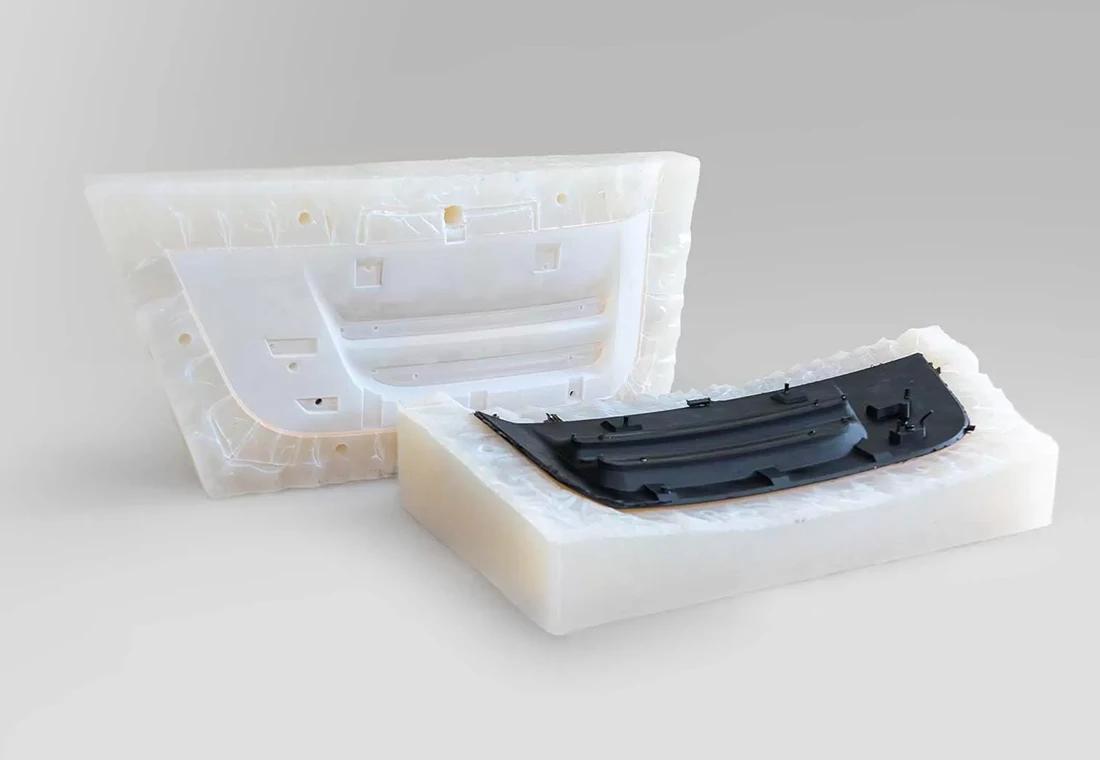
Vacuum casting, also known as silicone or polyurethane casting, is a process that replicates a master pattern using a silicone mold filled with a material such as polyurethane resin under vacuum.
This helps eliminate air bubbles and ensures parts are precise, uniform, and have complex shapes.
It’s ideal for low-volume production and rapid prototyping and can produce parts with surface finishes and mechanical properties similar to those of injection molding.
Industries such as automotive, aerospace, and consumer products benefit from the high-quality, customized products that can be manufactured this way.
With lower tooling costs and quicker turnaround times, vacuum casting is a cost-effective option for companies looking to innovate without breaking the bank.
What can we do
Additional polyurethane vacuum casting services
Great Jump goes beyond basic manufacturing processes and offers a variety of additional services.
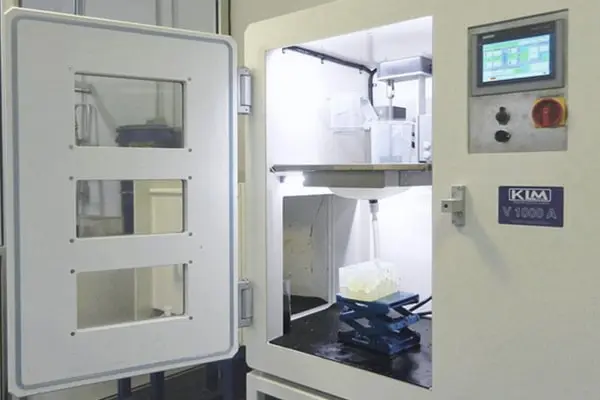
RIM can produce a larger number of higher quality parts by injecting polyurethane resins into a hard mould at low pressure.
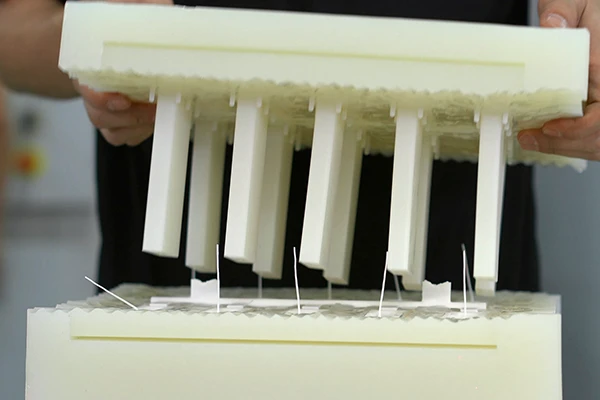
In addition to manufacturing individual casted copies, provides assembling services to integrate multiple components into a finished product.
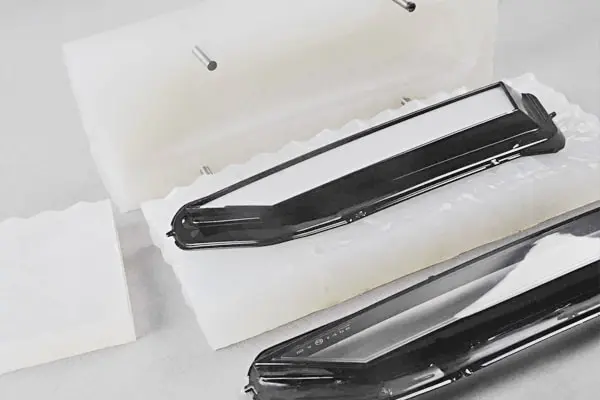
Our molding capabilities allow the incorporation of metal inserts or a second material, resulting in integrated parts with the combined benefits.
From Prototyping to Production
Moving from initial concepts to market-ready products, We vacuum casting services offer cost-effective solutions for your product development.
Injection molding materials
We provide an extensive selection of urethane resins sourced from renowned international material suppliers like Sika and Heicast.
Our range of resins offers the capability to simulate both rigid and soft plastic materials while meeting specific requirements such as high impact resistance or flame retardant properties.
Photopolymer Resin
High-resolution materials, ideal for detailed prototypes and models, offering smooth finishes and versatile applications in various colors and properties.
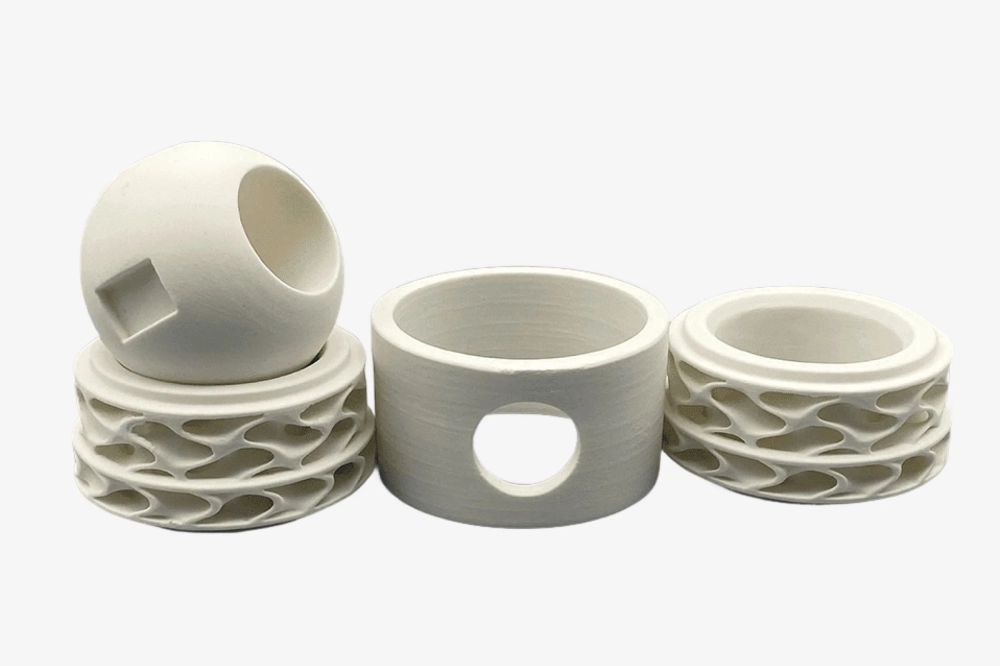
Our Surface Finishes for Urethane Casted Parts
Achieving smooth, flawless surfaces—our surface finishes for urethane casted parts deliver both durability and aesthetic excellence.
| Available Finishes | Description |
|---|---|
| Matte/Frosted | The parts have a smooth, satin finish because the master pattern was bead-blasted to a matte texture. Parts that are clear or see-through will look frosted with this finish. Matte finishes are great for areas that are often touched because they hide fingerprints better. |
| Semi-Gloss | Semi-gloss finishes have a little shine, but not too much. They're in between shiny (high-gloss) and flat (matte), giving the surface a smooth look that's easy to clean. |
| High-Gloss | A glossy finish with a lot of shine needs the master pattern to be polished before making the mold. This finish has a shiny look and makes clear parts look the clearest. High gloss is great for models that need a smooth, clean surface or for lenses. |
| Textured | Texture is added to the master pattern using paint and manual methods before making the mold. Texturing is helpful for areas that get a lot of use, like handles, because the bumps and grooves improve grip and reduce fingerprints or scratches. |
| Custom | GS Proto can also offer extra services like adding finishes, painting, and more. |
General vacuum casting characteristics
| Parameter | Details |
|---|---|
| General tolerance: | Mini tolerance of +/- 0.3 mm / 0.010 in and then 0.05 mm / 0.002 in every 25 mm / 1 in |
| Precise tolerance: | Protolabs will check your 2D drawing and give you our comments |
| Maximum part size: | 1000 x 1000 x 600 mm / 39 x 39 x 24 in |
| Minimum part size: | 0.50 mm / 0.020 in (may depend on part geometry) |
| Lead time: | From 5 days |
Check out our cases
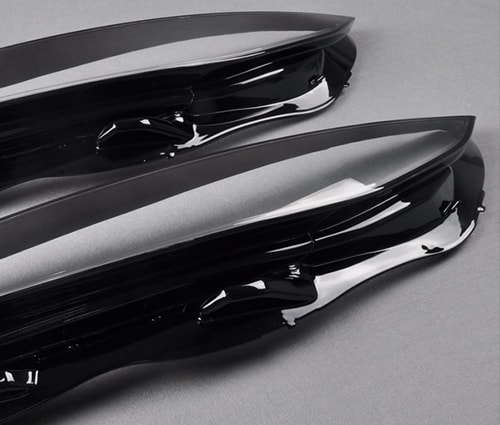
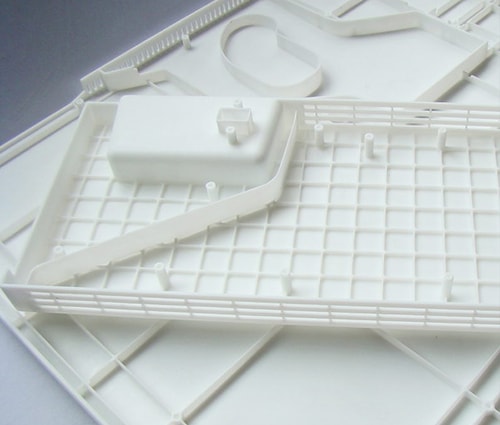
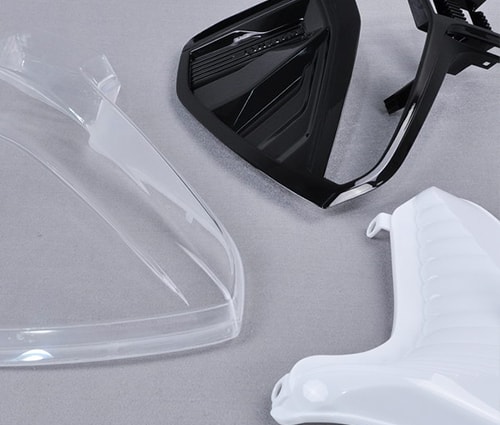
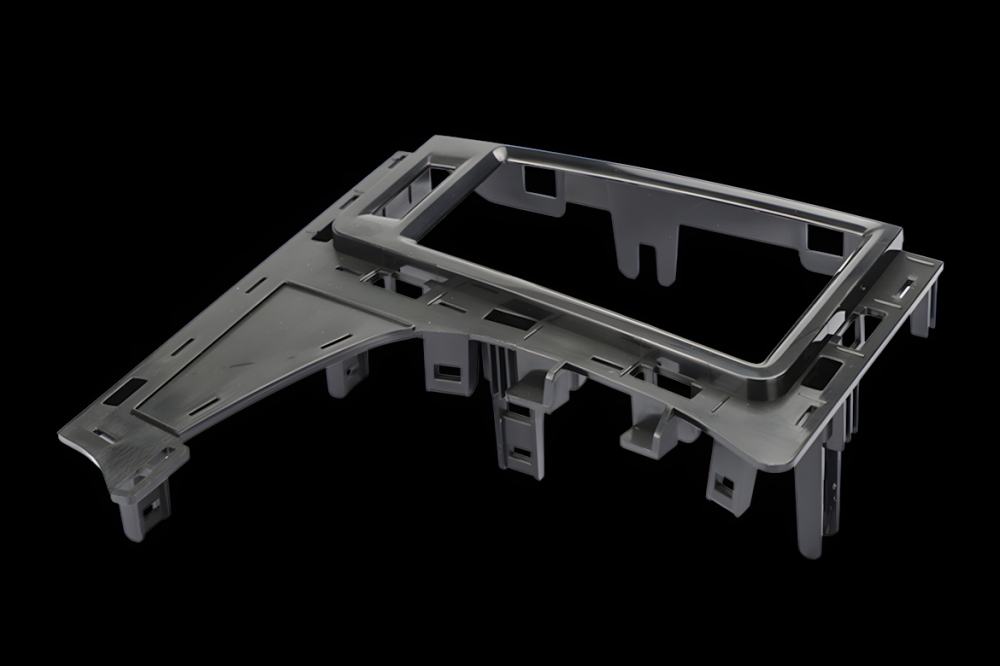
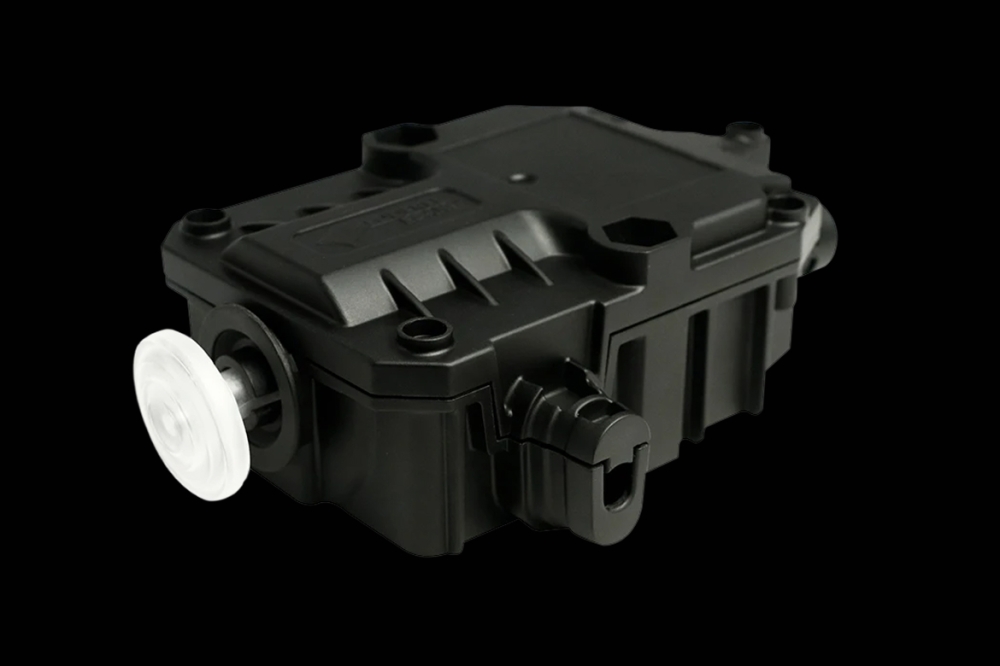
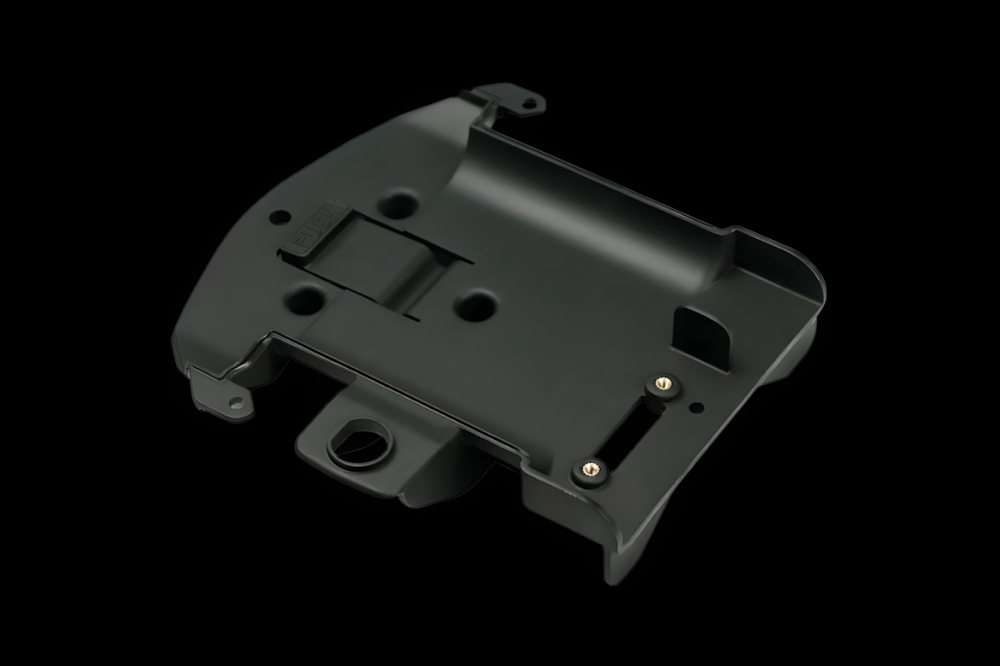
Vacuum Casting Parts Gallery
Explore our components for various industries and discover innovative designs and craftsmanship that might meet your manufacturing needs.
Vacuum Casting FAQ
FAQs and Solutions
We provides machining solutions for a variety of industries. Whether it’s durable consumer products, complex electronics, industrial machinery, or medical devices, we deliver reliable and precise components tailored to your needs.
If you have any questions about the task, please feel free to contact us.
Our experienced engineers will respond to you within 1-24 hours
Vacuum casting can be more cost-effective for producing multiple parts, while 3D printing is better for single prototypes.
We work with a wide range of thermoplastics, including ABS, PC, Nylon, PP, POM, and custom materials based on your requirements.
A silicone mold has an average life of 10-20 runs before it begins to degrade.
Vacuum casting differs from injection molding based on the type of molds and the volume of production.
On the one hand vacuum casting uses silicone molds and is relied on more for prototyping. On the other hand, injection molding uses steel or aluminum mold and is the best manufacturing process for mass production of parts.
Additionally, vacuum casting is the better option for low-volume projects or prototypes compared to injection molding.
Vacuum casting is used to create high-quality prototypes and small production runs.
It’s ideal for parts with complex shapes, detailed features, and is commonly used in industries like automotive, aerospace, medical devices, and consumer electronics.
Vacuum casting has a accuracy of ± 0.15 % (dimensions below 100 mm bear a lower limit of 0.3mm)
Its precision allows for more detailing and consistency during casting.