Guide to sheet metal fabrication
Unlock the full potential of your manufacturing processes with our comprehensive guide to sheet metal fabrication. Dive into the details of transforming flat metal sheets into high-quality, functional parts and products. From cutting-edge techniques to best design practices, this guide is crafted to address the unique challenges faced by industry professionals. Whether you’re seeking to optimize efficiency, enhance precision, or reduce costs, our detailed insights will empower you to achieve unparalleled results.
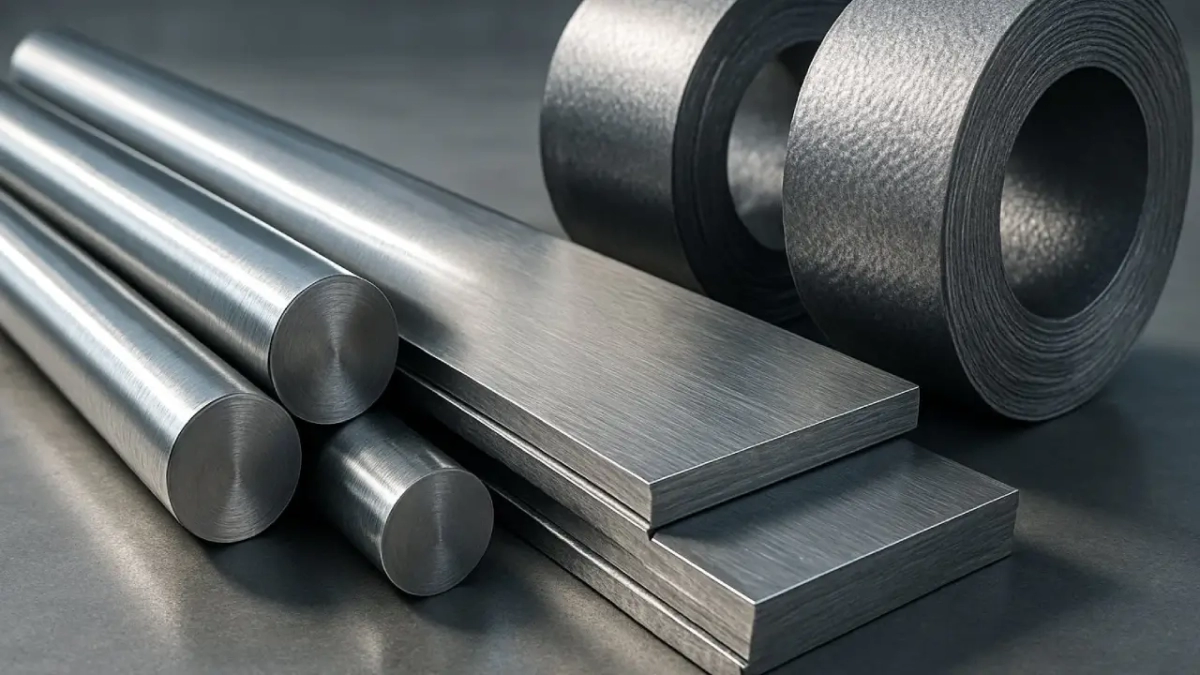
Sheet metal fabrication is the process of transforming flat metal sheets into functional parts and products. This involves cutting, forming, and joining/assembling metal sheets. Various metals are used in this process, including steel, aluminum, stainless steel, brass, copper, and zinc. The thickness of sheet metal ranges from 0.15 to 6.25 mm (0.006 to 0.25 in.).
Manufacturers utilize diverse techniques to create sheet metal parts. These techniques are chosen based on the product specifications determined during the design phase. Fabrication methods can vary depending on the required features of the final product.
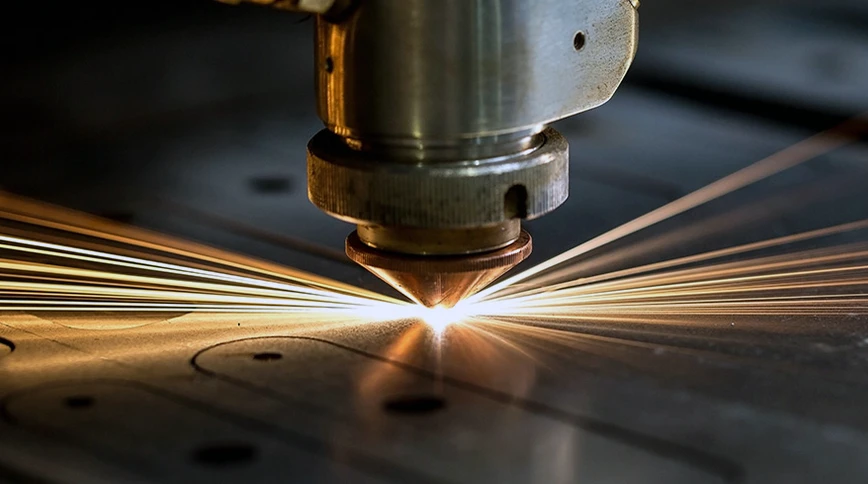
For example, stamping and laser cutting ensure precise shapes and durability when producing an automotive panel. In manufacturing HVAC ducts, fabricators use bending and welding to create airtight and robust structures.
This process is valued for its ability to produce durable components. It supports both small-scale prototypes and large-volume production runs. This versatility makes it a preferred choice in various industries, from automotive to aerospace.